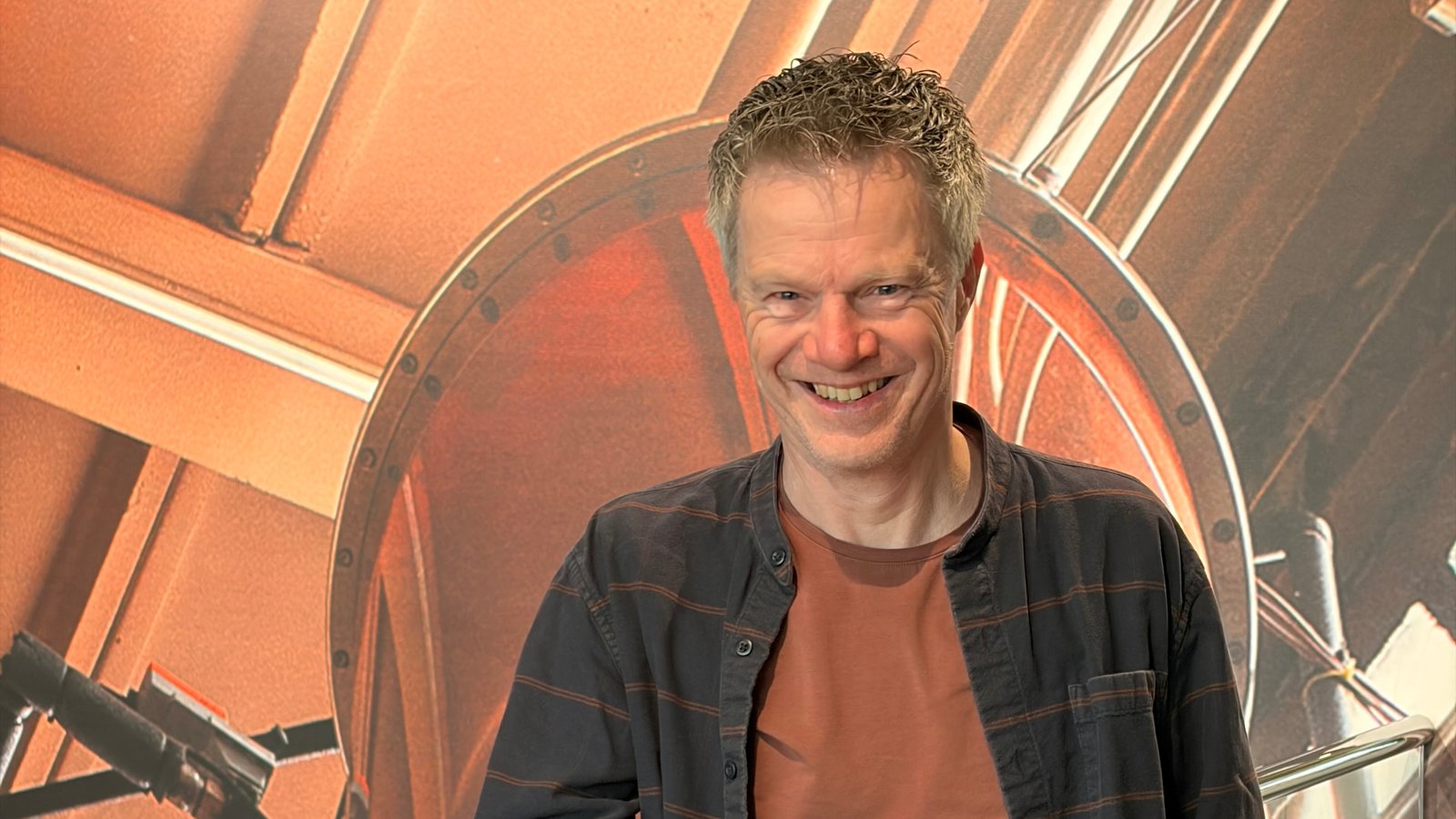
A Q&A Interview with Mark van Herwijnen
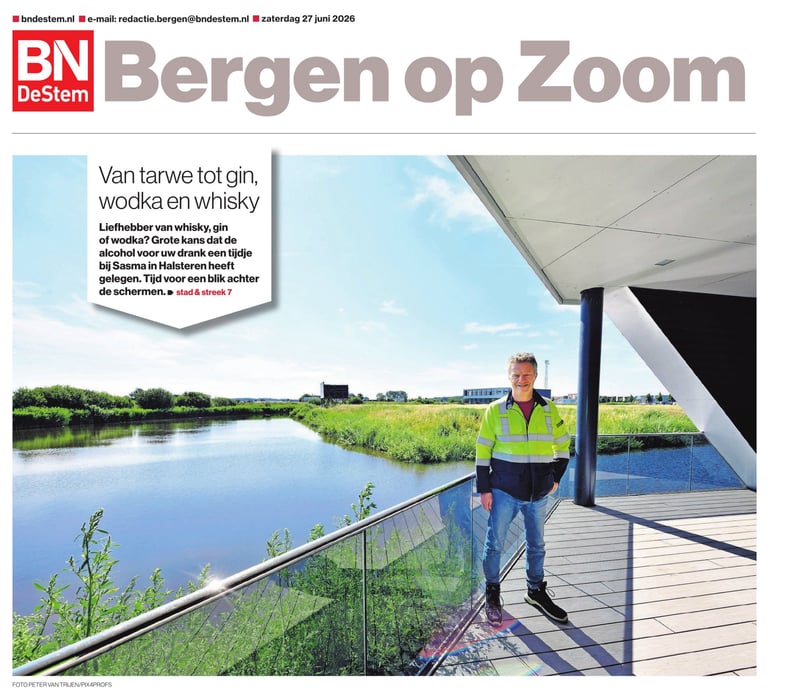
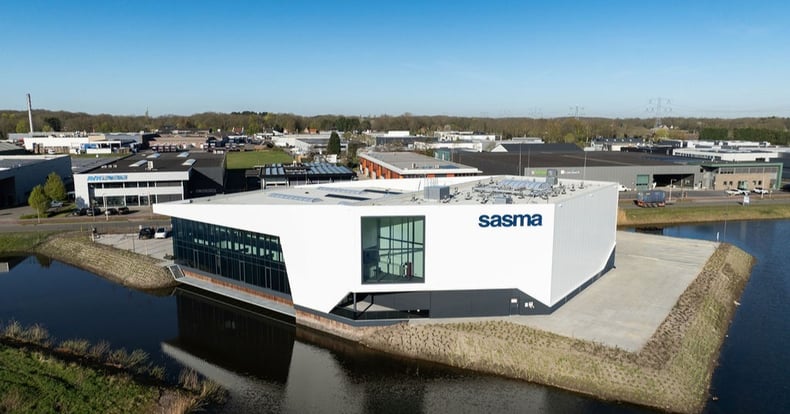
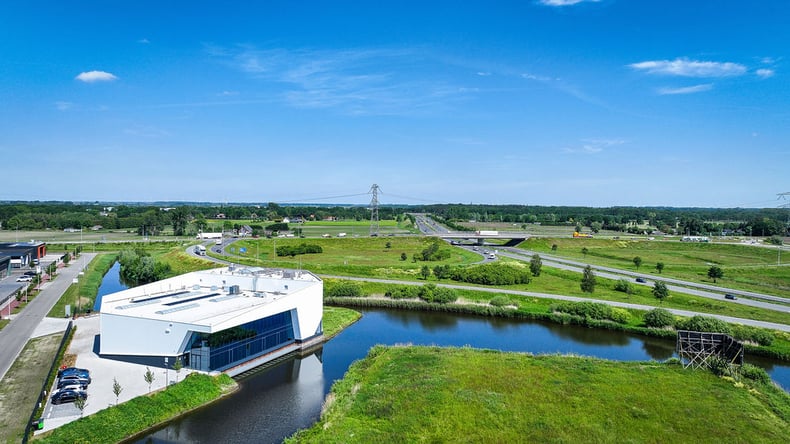
As Sasma prepares for the launch of its new warehouse in Halsteren, we are pleased to introduce Mark van Herwijnen, our new Plant Manager. With extensive logistics experience, he plays a key role in shaping how the site will operate from day one.
In this interview, Mark shares his professional background, his vision for safe and efficient warehouse operations, and how Halsteren will serve as a natural extension of Sasma’s team in Zoetermeer.
Q. Can you tell us about your background and what led you to a career in warehouse and logistics management?
A. I hold a bachelor’s degree in Maritime Business Operations, which included a strong focus on logistics and supply chain management. Over the years, my career has taken me across several industries, including dredging, life sciences, oil and gas.
I am Lean Six Sigma Black Belt certified and have led many cross-functional improvement projects. Structure and process discipline have become second nature to me from working in some of the complex, regulated environments I’ve been in.
Q. What does an efficient and well-run warehouse look like to you?
A. An efficient warehouse starts with a clean and well-organized space.
Organization supports safety, clarity, and focus. From there, you need a logical flow of goods, clear responsibilities, strict safety measures, and a motivated team.
If a warehouse is messy, people will adapt to that. If it’s clean and structured, people naturally work in a more disciplined and responsible way.
Q. What are the first things you focus on when stepping into a new warehouse environment?
A. The first priorities are always:
-
The people and their roles
-
The warehouse layout and flow of goods
-
The use of standardized processes
-
The level of automation and system support
These elements form the foundation for safe and efficient daily operations.
Q. How do you balance speed, accuracy, and safety in daily warehouse operations?
A. By working with standardized processes, applying 5S methodology, and maintaining regular communication with the team about performance, safety, and planning.
Safety always comes first. When processes are clear and people understand why they exist, speed and accuracy follow naturally.
Q. What role does technology play in modern warehouse management at Sasma?
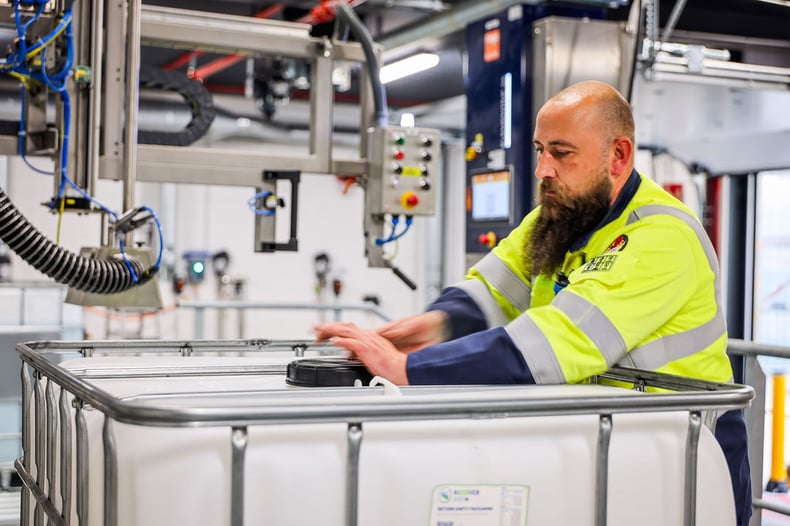
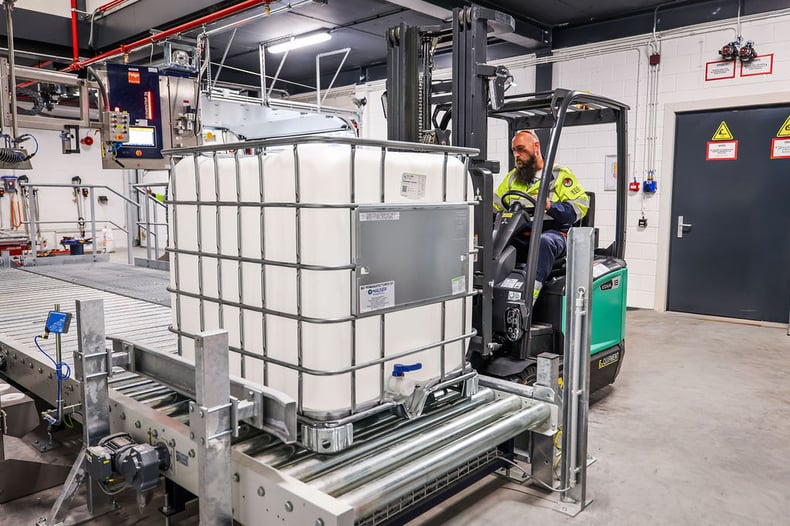
A. Technology plays a key role in the Halsteren warehouse. Core processes such as loading and unloading tanks, mixing, and IBC filling are strongly supported by IT systems. This reduces manual intervention, improves traceability, and enhances safety.
Barcode scanning is being implemented, and system-driven workflows guide operators step by step. The software doesn’t just register actions. It will now actively prevent errors such as incorrect routing or cross-contamination.
Q. How do you motivate and build strong warehouse teams, especially during high-pressure periods?
A. I believe strongly in establishing trust. When people take responsibility and feel trusted, they perform better. As a manager, I won’t be leading from behind a desk. Instead, I’ll be working closely with the team. We’ll establish clear agreements, have regular team meetings, and be present on the warehouse floor.
Q. Can you share an example of a major challenge you faced in a previous role, and how that experience helps you solve problems at Sasma?
A. One of the most challenging situations I managed was material management during a large refinery turnaround. This was a planned shutdown involving a large number of contractors, tight timelines, and a dramatic increase in material flows.
Thousands of items had to be purchased, inspected, stored, and issued under significant time pressure. Often, with temporary teams unfamiliar with the site. Problems inevitably arose, but success depended on preparation, structured processes, clear communication, and staying calm under pressure.
That experience translates directly to Sasma. While the scale is different, the principles remain the same: quickly identify root causes, involve the right people, and resolve issues safely and effectively–while ensuring lessons learned are built into the process.
Q. How does your experience in highly regulated environments influence safety at the Halsteren warehouse?
A. Safety has always been central throughout my career, particularly from working in industrial environments. In those settings, nothing happens without checks, double checks, and clear approvals. Safety isn’t optional. It’s a daily mindset.
That same approach applies in Halsteren. While procedures and systems are important, real safety comes down to behavior. People naturally want to get the job done and may underestimate risks along the way. Being present, alert, and engaged as a manager is key.
By setting clear expectations and leading by example, safety becomes embedded in how we work rather than something that exists only on paper.
Q. What will the first days of operations at the Halsteren warehouse look like?
A. We are intentionally taking a careful, methodical approach at launch. By prioritizing testing, training, and process validation upfront, we establish a strong foundation. This allows us to create a consistent routine to scale naturally over time.
Q. What key metrics do you rely on to measure warehouse success?
A. The most important indicators are:
-
Safety performance
-
Stock accuracy
-
Throughput efficiency, such as liters processed per timeframe
If safety and accuracy are strong, performance will follow.
Q. How do you approach continuous improvement in warehouse operations?
A. We’ll maintain continuous improvement by having regular team check-ins and structured improvement discussions. Staying proactive will prevent issues before they occur.
Q. How will the Halsteren warehouse work together with the team in Zoetermeer?
A. From the start, the Halsteren warehouse is being set up as a natural extension of the team in Zoetermeer, not as a standalone operation.
Close alignment between operations, planning, and commercial teams is essential. A lot of work has already gone into defining roles, responsibilities, and processes together, particularly around software, planning, and decision-making.
With a small on-site team in Halsteren, communication and trust are critical. The goal is to operate as one team with shared standards, where the warehouse seamlessly supports the Zoetermeer team–and vice versa.
Q. What excites you most about joining Sasma and leading the Halsteren site?
A. What excites me most is being involved from the very beginning of a newly built facility. It’s a rare opportunity to set high standards for safety, processes, and team culture from day one.
We’re starting with a blank canvas. If we build the foundation properly now, it will support Sasma for many years to come. Being part of that, and helping shape how the operation runs, is something I’m proud of.
Learn More About Sasma
Sasma BV is your premier destination for high-quality bulk alcohol and spirits. With our diverse selection, customization options, and commitment to excellence, we are your trusted partner. Visit our blog for more updates on our Halsteren Facility.