Understanding Its Use Across Food, Pharmaceutical & Industrial Applications
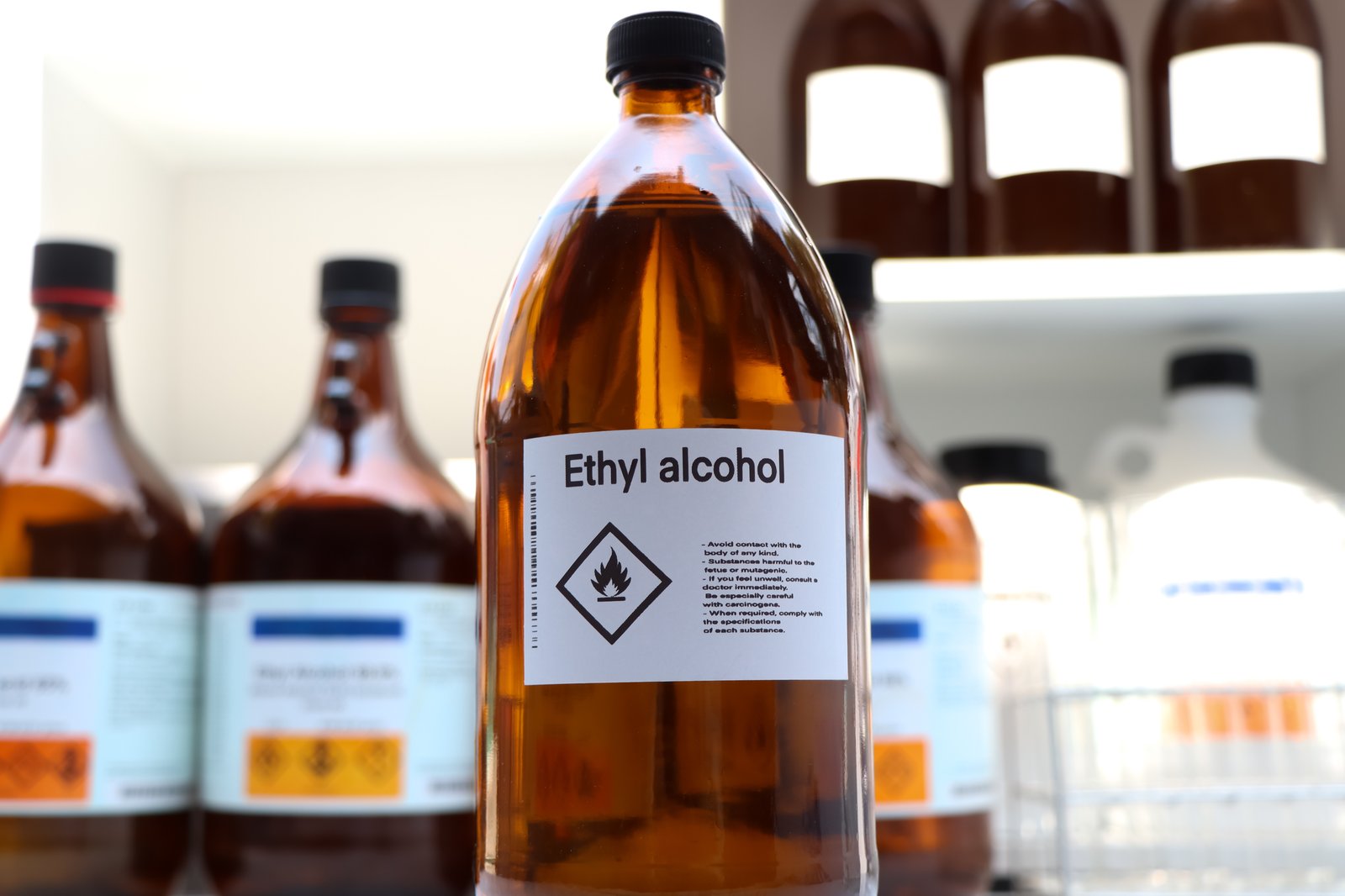
Ethyl alcohol (ethanol) is widely used across food production, pharmaceuticals, cosmetics, and industrial supply chains, where it primarily serves as a functional ingredient—such as a solvent, carrier, or processing aid—rather than as a consumable product. Its presence in formulations intended for halal-regulated markets often raises technical and compliance-related questions rather than consumer-level concerns.
Within halal certification frameworks, the permissibility of ethanol is generally assessed based on application, intent, source, and final concentration, rather than the mere presence of ethanol as a chemical compound. As a result, ethanol may be permitted in certain formulations where it is non-intoxicating, incidental to the end product, or necessary for technical performance.
Understanding this distinction helps clarify why it may be acceptable in certain products and applications while intoxicating beverages remain clearly prohibited.
Uses of Ethyl And Ethanol Alcohol
Negligible amounts of ethanol that occur naturally through fermentation are commonly considered acceptable by many halal certifying bodies, provided the alcohol is incidental, unavoidable, and non-intoxicating.
Ethanol may also be used as a processing aid or solvent in certain food applications, depending on certification standards, source, and final concentration. Examples include alcohol-based food dyes or vanilla extract, in which it serves as a carrier or an extractor rather than as a consumable ingredient. Similarly, the use of alcohol in medicines is permissible when it is necessary for formulation or efficacy, and no suitable alternatives exist.
Beyond food and pharmaceuticals, ethanol is generally accepted for use in products not intended for ingestion. This includes oral and dental care products such as mouthwash, which are not consumed, as well as perfumes and cosmetics that use alcohol as a carrier or solvent.
This article provides a high-level industry perspective; final halal determinations depend on certifying bodies and individual interpretation.
What Are The Prohibited Uses?
Certain halal restrictions are based on the origin of ethanol, including the fermentation source and production method. Interpretations may vary by certifying body and region, particularly when evaluating synthetic or petrochemical-derived ethanol.
In Islam, alcohol is considered an intoxicant, and all intoxicants are prohibited. Within halal frameworks, intoxicating beverages remain prohibited, particularly where alcohol is the primary purpose or present at levels capable of causing intoxication.
The Verdict on Ethyl Alcohol
Is ethanol alcohol halal? It depends.
Industrial and cosmetic applications of ethyl alcohol are widely accepted, as these products are not intended for ingestion.
Pharmaceutical use is generally permitted when alcohol is necessary for formulation or efficacy and no suitable alternatives are available.
Naturally occurring ethanol in food products may be acceptable when it is incidental, unavoidable, and present at non-intoxicating levels.
Intentionally added ethanol in food-grade ethanol in applications (such as flavourings or extracts) may be permitted depending on source, final concentration, and certification standards.
Intoxicating beverages, where alcohol is the primary purpose or present at levels capable of intoxication, remain prohibited within all halal frameworks.
Adding further complexities, different countries set different permissible levels of alcohol in halal products, even when certified by the same company. Similarly, Muslims who observe Sharia more strictly may consider even small amounts of alcohol (>0.5%) in food and beverage applications haram, while others do not.
For manufacturers serving halal-regulated markets, sourcing, documentation, and specifications for ethanol are critical. Sasma BV works with customers across food, pharmaceutical, and industrial sectors to support application-specific requirements.
Contact our sales team to discuss application-specific ethanol requirements and documentation for halal-regulated markets.