RTD producers are bulk alcohol buyers. Every ready-to-drink product—every canned cocktail, flavoured serve, or premixed drink—needs a base spirit upstream. And as the category has scaled from niche to mainstream, getting that sourcing right has become one of the most important decisions in your production process.
Ready-to-drink is the only major beverage alcohol category showing consistent growth while traditional spirits, wine, and beer face volume pressure. Spirit-based RTDs grew over 16% in value last year, and global market projections put the category above $42 billion by 2033. At Sasma, we’ve been supplying bulk base spirits to RTD producers for years—and the conversations we’re having with buyers in 2026 are different. More structured, more specification-driven, and focused on long-term supply rather than one-off orders.
What’s Driving RTD Growth—and What it Means for Your Sourcing
The RTD category is growing for structural reasons, not trend ones. Consumers want convenience, consistent taste, and formats that fit their lives. Spirit-based RTDs are leading that shift, driven by demand for premium, bar-quality products in portable formats. Canned cocktails, flavoured spirit drinks, and low-ABV serves are all pulling volume from traditional categories, and that trend is durable.
For bulk buyers, the upstream implication is clear. Grain neutral spirit, rum, agave distillates, and cream liqueur bases are all seeing sustained demand as RTD production scales globally. The question is not whether to source bulk: it is from whom, on what terms, and with what level of service behind it.
Why Supplier Choice Matters More than It Used To
When RTD was a small category, sourcing could be opportunistic: spot purchases, flexible specs, one-off orders. That model does not hold at production scale.
RTD producers running continuous lines need supply they can rely on. Consistent specification, consistent availability, and a supplier who can respond when your volume requirements shift at short notice.
Blending and Dilution: More than Just Supply
One of the questions we hear most from RTD producers is whether they can receive alcohol that is already prepared to their production spec: blended, diluted to target ABV, or otherwise ready to go into their process without additional handling on their side.
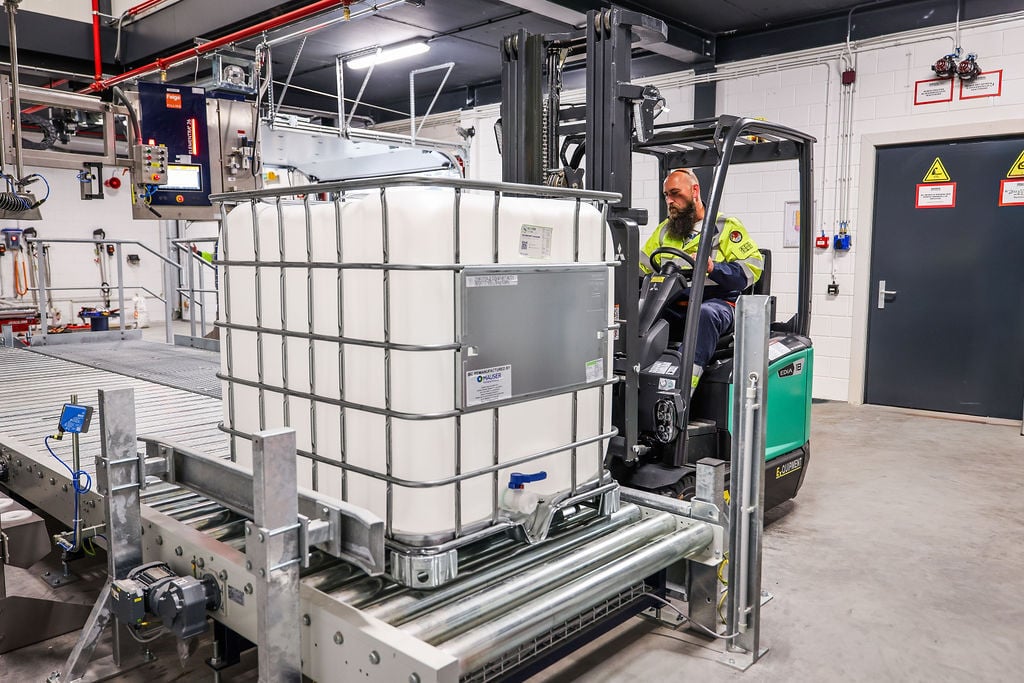
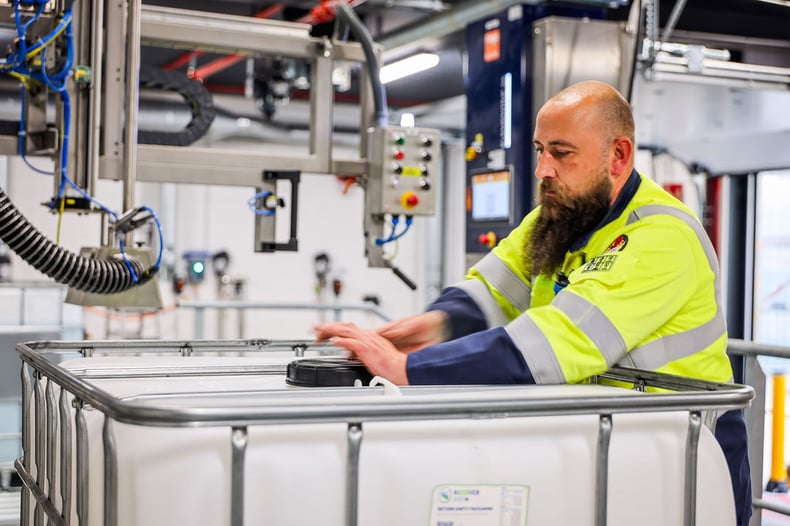
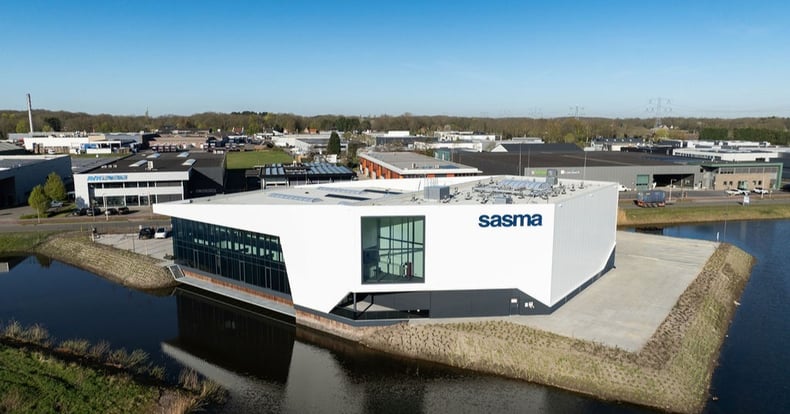
At our warehouse and blending facility in the Netherlands, we can do exactly that. We work with clients to blend to spec, dilute to target ABV, and support whatever the production requirement calls for, whether that is a straightforward dilution of grain neutral spirit to bottling strength, or a more involved blending programme across multiple base spirits. If you have a specific requirement, we work with you to find the right solution.
This is part of what makes working with Sasma different from sourcing through a broker or a trader with no physical infrastructure. We can hold stock, process it, and ship it in the format your production line needs.
Which Base Spirits Work Best for RTD Production?
The right base depends on your product format and target market. The most widely used options are:
-
Grain Neutral Spirit: the most versatile RTD base. High purity, flavour-neutral, batch-consistent. The standard choice for vodka sodas, hard seltzers, and most flavoured RTD formats. We supply grain neutral spirit in bulk and can dilute to your target ABV at our warehouse.
-
Rum: increasingly in demand as cocktail-style RTD formats grow. Our bulk rum range covers 40% to 95.8% ABV, giving producers flexibility across light mixer bases and full-strength canned cocktails.
-
100% Agave Spirit: for producers wanting genuine agave character in their RTD range without the certification constraints of CRT-regulated tequila. No CRT, no COMERCAM—suitable for international RTD production and flexible formulation.
-
Cream Liqueur Base: for premium RTD formats in the liqueur and dessert cocktail space, where consistent emulsification and flavour profile are critical to finished product quality.
What to Look for When Sourcing Bulk Alcohol for RTD Production
Specification Consistency
Your base spirit defines your finished product. ABV accuracy, flavour neutrality, and batch-to-batch consistency matter far more in RTD production than in applications where the alcohol is heavily processed. Get specification agreed upfront and hold your supplier to it.
Full Documentation as Standard
Every batch should come with a certificate of analysis. For producers selling into the EU, UK, or other regulated markets, origin documentation and excise compliance records are equally important. If your supplier cannot provide these as standard, that gap will eventually become your problem.
Blending and Processing Capability
If you need your base spirit blended, diluted, or prepared to a specific production spec before it arrives, make sure your supplier has the physical infrastructure to do it. Not all bulk traders do. At our warehouse and blending facility, blending and dilution to client specification is part of what we offer — so what arrives at your door is ready for your process.
Logistics that Work for Your Production Schedule
RTD production runs on tight timelines. Your supplier needs to deliver in the right format — Drums, IBCs, ISO tanks — to the right location, on schedule. The ability to respond to short-notice volume changes is worth more than marginal price differences when your line is running.
Sourcing Bulk Alcohol for Your RTD Range?
We supply grain neutral spirit, rum, agave distillates, and cream liqueur bases in bulk to RTD producers across Europe and globally. Blending, dilution, and custom processing available from our warehouse and blending facility. Full documentation and consistent supply as standard.
Get in touch to discuss your requirements: