A Walkthrough of Sasma’s Warehouse Process
From Tank Truck to Final Shipment
Every batch that moves through Sasma’s Warehouse and Blending Facility in Halsteren follows the same path: receipt, storage, precision filling, and release for shipment. Here's what that actually looks like, step by step.
Receiving at the Loading Dock
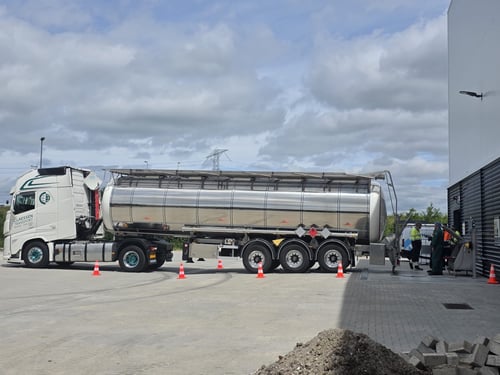
Incoming tankers connect at Halsteren's dedicated loading bays. Each connection point is clearly marked and governed by strict handling rules. This includes explosive atmosphere and flammable substance warnings, PPE requirements, and grounding procedures, which are posted at every station before a hose is connected.
Before unloading, every tanker crosses the on-site weighbridge, controlled by a traffic light system that manages when a vehicle is clear to proceed. The weighbridge terminal is mounted on an access platform, allowing staff to reach it safely for weight verification as part of the batch check-in process.
Storage: Steel Tanks or IBCs
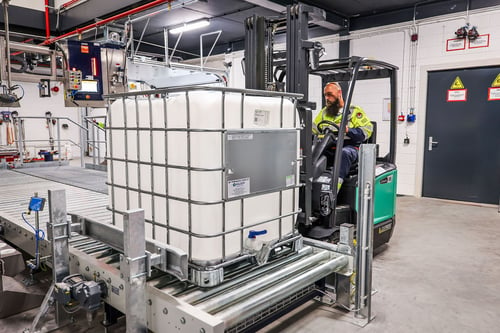
Once received, product moves into storage. We store in either stainless steel tanks or as palletized IBCs, tracked by numbered bay and lane. The scale is deliberate: enough capacity on site to hold stock across multiple product lines without compromising traceability of any individual batch.
Precision Filling
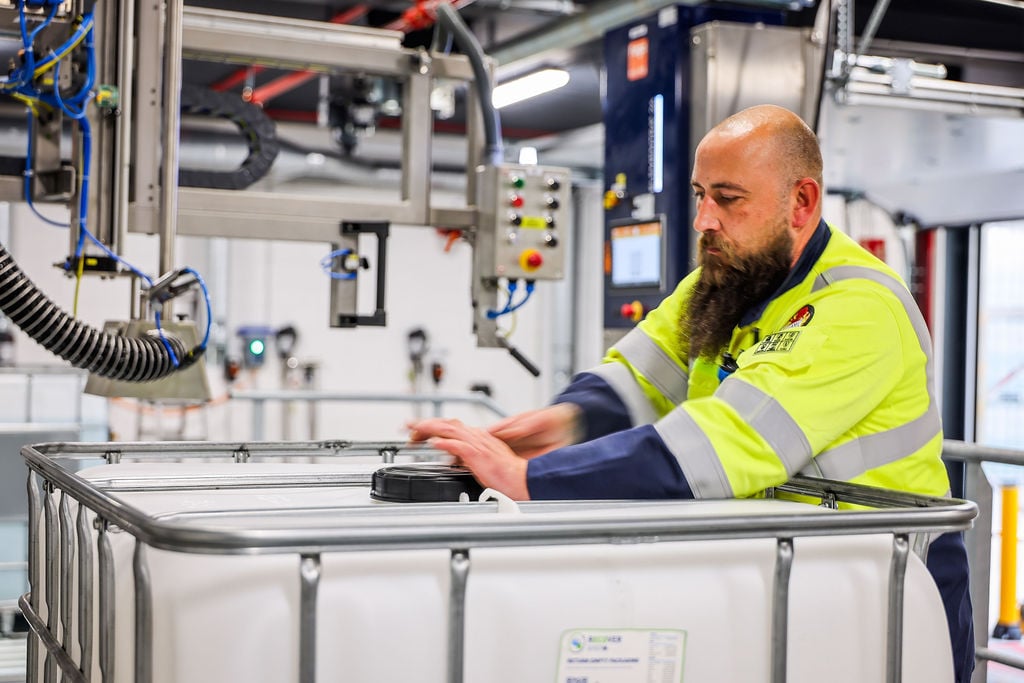
Filling is automated and weight-controlled. An automated filling arm positions over each container, and the process is governed by a dedicated filling control system that tracks net weight in real time for every fill. This is what keeps container-to-container consistency tight, whether the batch is destined for IBCs, drums, or pails.
Release and Shipment
Once a batch is filled and cleared, it's loaded out the same way it came in—by tanker, ISO container, or palletised load—with the same documentation discipline applied at receipt now applied at release.
FAQs
Q. How does product move through Halsteren from arrival to shipment?
A. Product is received at the loading dock, moved into tank or IBC storage, filled using automated, weight-controlled equipment, and released for shipment with full documentation at each stage.
Q. Is filling at Halsteren automated?
A. Yes. Filling uses an automated arm and a weight-controlled filling system that tracks net weight for every container in real time.
Q. What container types does Halsteren fill?
A. IBCs, drums, and pails, depending on the customer's order.
Q. Is every tanker weighed before unloading?
A. Yes. Every tanker crosses the on-site weighbridge, controlled by a traffic light system, before proceeding to unload: weight verification is part of the batch check-in process.
Q. Where is Halsteren located?
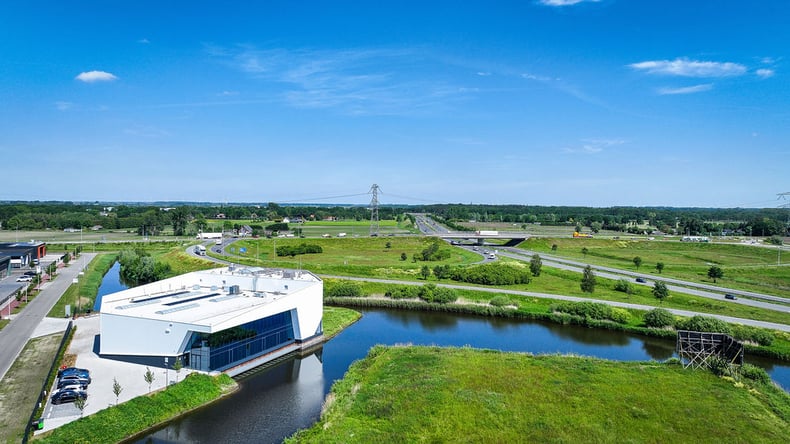
A. Halsteren is Sasma's logistics and blending facility in Noord-Brabant, the Netherlands.
Related articles
-
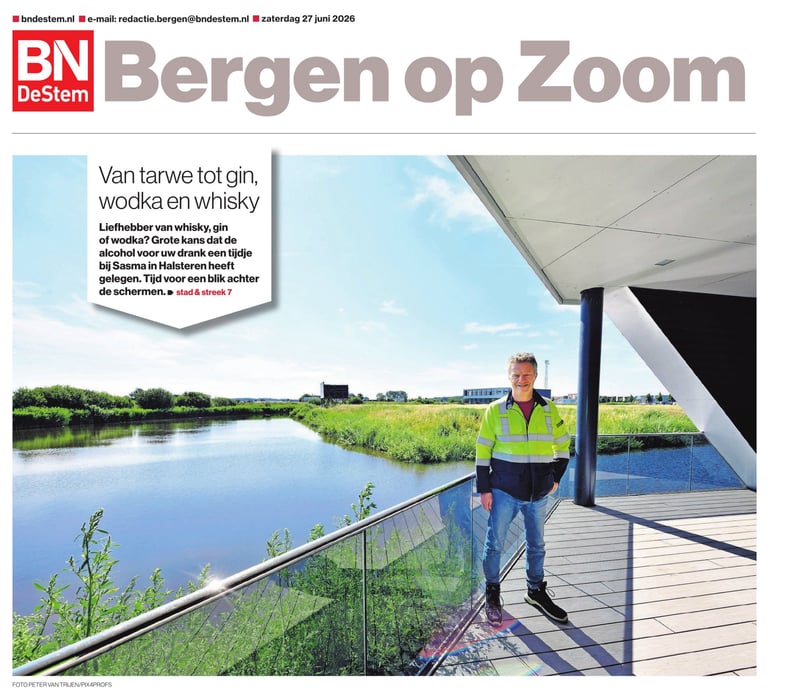
Local Press Visits Halsteren: "Sasma Has Customers All Over the World"
As we close out Q3, we share the key developments shaping our industry: global trade agreements & tariff shifts,...Read more -
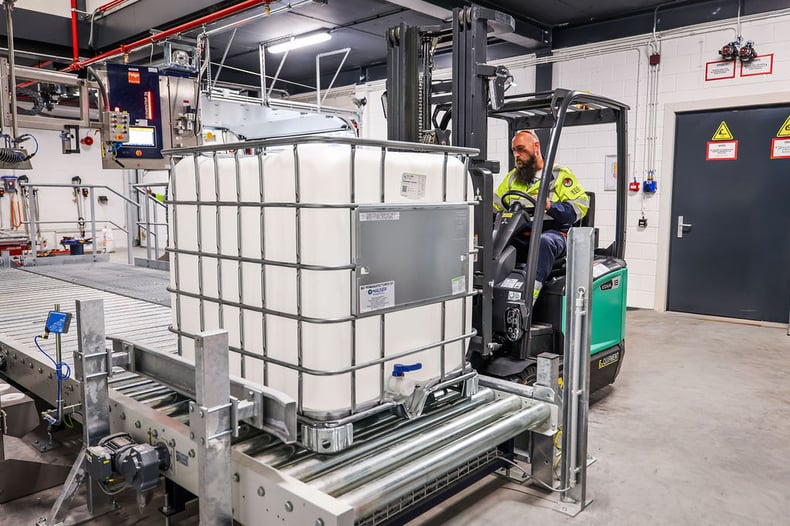
Why RTD Producers are Rethinking Their Bulk Alcohol Sourcing
Every ready-to-drink product needs a base spirit upstream. As the category has scaled, getting sourcing right is of the...Read more -
Sasma Quarterly Newsletter – Q2 2026
As we close out Q3, we share the key developments shaping our industry: global trade agreements & tariff shifts,...Read more -
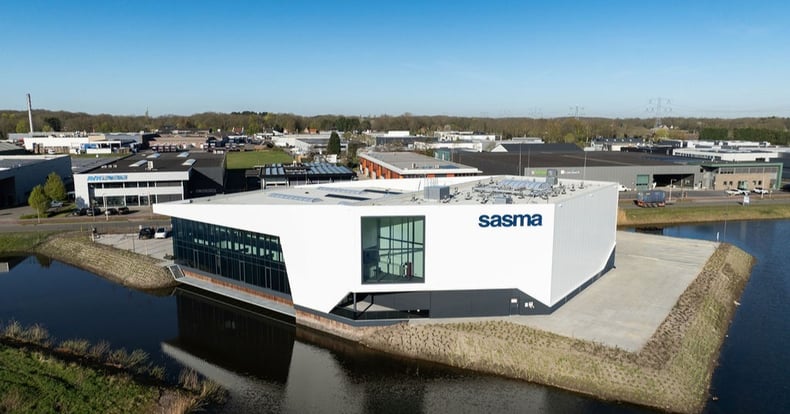
Sasma Opens Advanced Blending, Storage, and Logistics Facility in Halsteren
Sasma is set to open its Halsteren facility in June 2026: a purpose-built warehouse & processing site designed to...Read more -
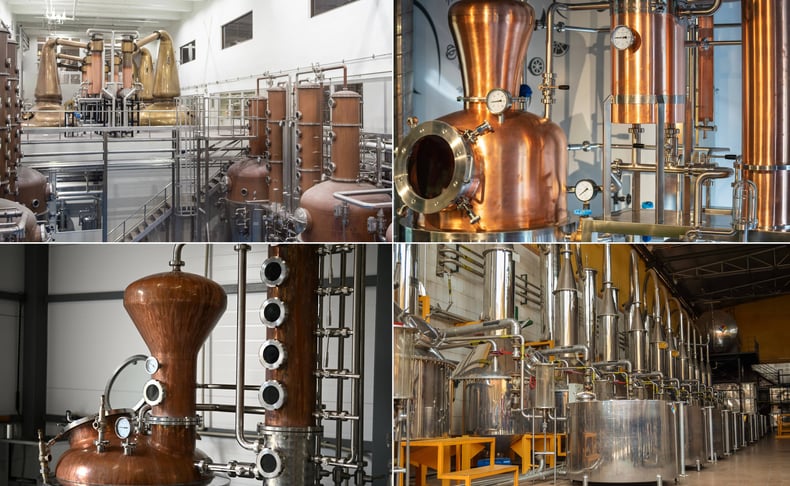
How Alcohol is Made: Production Methods Explained
From vodka to disinfectants, all alcohol starts with the same chemistry: sugar, yeast, heat, fermentation, and...Read more -

What is Denaturation of Alcohol?
Denaturation of alcohol is the process of making ethanol unfit for human consumption by adding denaturants. Here’s what...Read more